
Laundry tips for beginners: skills every teen should learn before leaving home
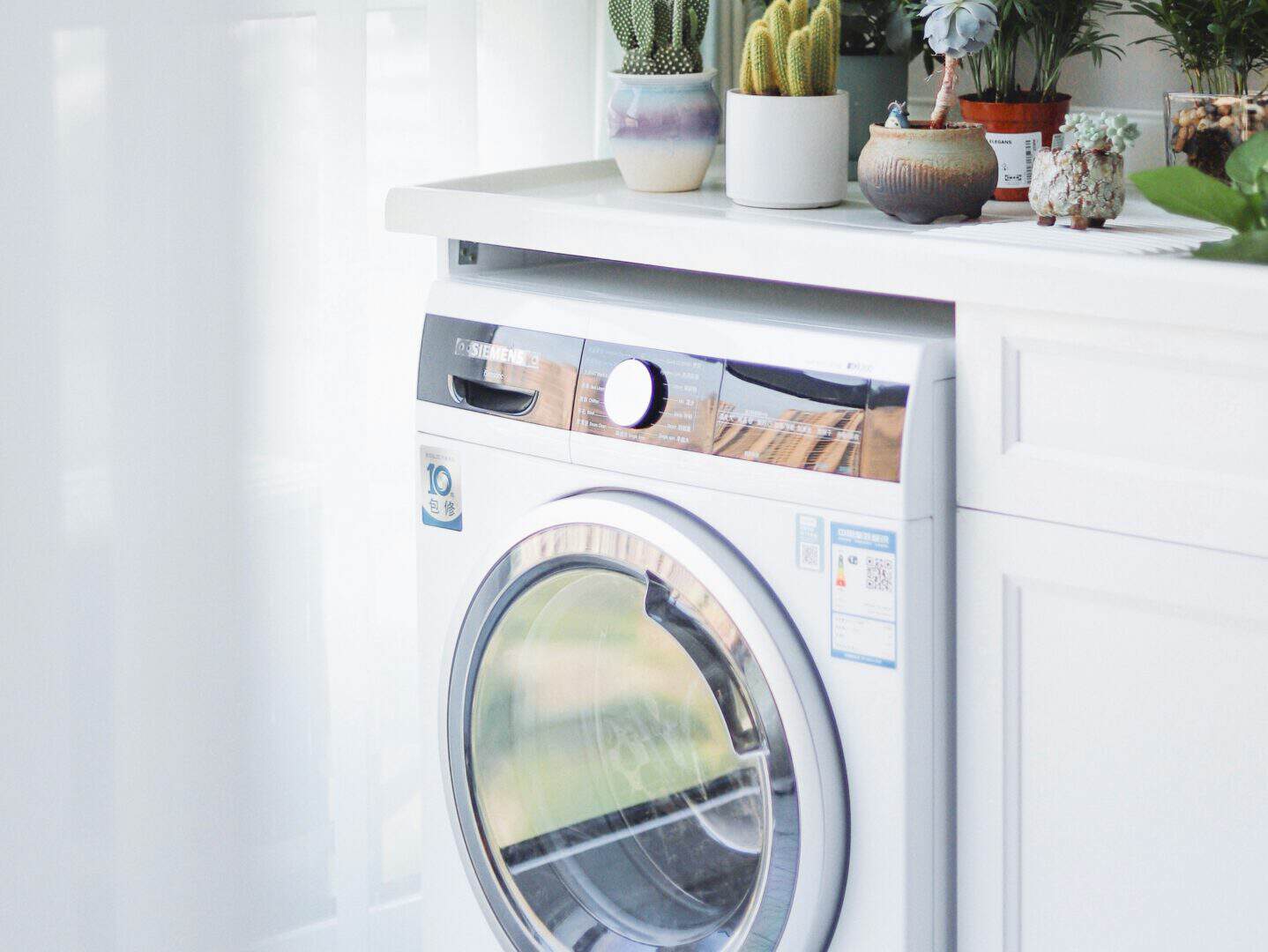
If you have never done laundry before, it can feel needlessly complicated. There are symbols to decode, hundreds of cleaning products and enough washing machine settings to rival a flight deck.
The good news? You only need a handful of basic skills to protect your clothes and keep them clean and fresh.
This beginner’s guide by Dr. Beckmann covers the essentials: when to wash clothes, how to sort a load, what programme to use and how to treat stains before they have a chance to set.
How to decide when clothes need washing
While you should chuck underwear, socks and sportswear straight in the laundry basket, not every item needs washing after one wear. Jeans, jumpers and jackets can usually be worn several times, which helps protect the fabric, plus saves water and energy.
Check the areas that collect sweat first: underarms, collars and waistbands. Smelly or visibly dirty clothes are usually easy to spot!
How to sort laundry properly
It’s important to sort laundry rather than just bunging it all in the machine and hoping for the best. Here’s how:
- Start by separating whites, colours and dark colours to stop dye transfer. Wash new, brightly coloured items on their own for the first few washes.
- Check all pockets – you do NOT want your new earbuds going on a spin cycle.
- Check for stains and pre-treat items if necessary (more on this below)
- Keep delicates like silk, lace and fine wool well away from jeans, towels and sheets, because heavier fabrics rub against them and cause damage. If you don’t want to wash them separately, invest in a few mesh laundry bags to keep delicates like lingerie and tights protected from snagging. They are also handy for keeping socks from going missing.
- Turn your clothes inside out before washing to protect prints and stop the colours fading.
- Resist the urge to cram in one last towel. An overloaded washing machine cannot move or rinse clothes properly. As a rough guide, fill the drum so you can still fit a flat hand on top of the load.
Sometimes you will only have a few items of one colour, not enough for a full load on their own. Rather than wasting energy by running the machine half-empty, pop a colour collector sheet straight in the drum. This genius sheet works by trapping loose dye in the water before it can settle on your clothes, so you can safely mix colours.
Choosing the right washing machine settings
Your machine has more buttons than you will ever need. You only really need to understand three things: temperature, cycle and spin speed.
Water temperature:
- 30°C (cold): your everyday default for lightly worn clothes.
- 40°C (warm): for cottons, mixed loads and anything more than lightly worn.
- 60°C (hot): for towels, sheets and heavily soiled items, as the hot water kills more bacteria.
- 90°C: rarely needed and hot enough to shrink most fabrics. Avoid unless a label specifically calls for it.
Washing cycles:
The cycle sets how long and how vigorously the machine works. The main ones are:
- Cottons: a long, thorough wash for sturdy everyday clothes, towels, bedding and jeans.
- Synthetics (or “easy care”): gentler and shorter, for polyester, nylon and mixed-fibre items.
- Delicates: a gentle wash for silk, lace and fine fabrics that snag easily.
- Wool: a very gentle, low-agitation wash designed to stop jumpers shrinking.
- Quick wash: around 30 minutes for a small, lightly worn load you need in a hurry.
When in doubt, a standard cottons or everyday cycle at 30°C handles the majority of your washing safely.
Spin speed:
The bit nobody ever explains!
- High spin (1200 to 1600 rpm): wrings out sturdy items like towels, jeans and bedding, so they dry faster, but causes more creasing.
- Medium spin (800 to 1000 rpm): a safe middle ground for everyday clothes.
- Low or no spin (400 rpm or off): protects delicates, knitwear and anything that creases or stretches easily.
The good news is that each washing machine programme usually sets a suitable spin speed, so unless you want to change it, you can leave it well alone.
Getting the detergent right
Dr. Beckmann Magic Leaves: for the most convenient and eco-friendly wash of all, these dissolvable sheets are hard to beat. They hold exactly the right amount of detergent, so there is nothing to pour, spill or measure. They also take up far less cupboard space and are easy to carry about if you are using a shared laundry room.
Dr Beckmann Fabric Conditioner Sheets makes clothing smell great and feel nicer against the skin, and our scent boosters wrap your laundry in long-lasting freshness that lasts up to 6 weeks!
As for bio or non-bio: biological detergents are tougher on dirt, but non-bio is a gentler choice if you have sensitive skin.
How to read fabric care labels correctly
The label inside each garment tells you how to wash it, and usually at what temperature. They also show how to dry and iron it. Never ignore them as you risk stretching, shrinking or otherwise damaging your clothes. There are loads of different symbols, but here are the main ones to look out for.
| Washing symbol | What it means |
|---|---|
   |
Machine washable The number is the maximum temperature. |
 |
Hand wash only Keep this one out of the machine and wash gently by hand. |
 |
Dry clean only Take it to a professional dry cleaner. |
 |
Tumble dry Safe for the dryer. Dots show the heat – low, medium and high. |
 |
Do not tumble dry Let dry in the fresh air only. |
 |
Don’t iron The heat could scorch or melt the fabric. |
How and when to handwash
Hand washing may be a bit of a faff, but it’s essential for some delicate fabrics like silk, cashmere and fine wools. Use cool or lukewarm water with a hand wash detergent. Move the garment gently through the water without scrubbing, twisting or wringing. Rinse it thoroughly, press out the excess water between two clean towels, then reshape it and lay it flat to air dry.
How to remove stains from clothes
Once a stain has been through the machine and the dryer, it can become permanent, so check your clothes thoroughly before you put them in the washing machine.
Always try to treat stains within 24 hours. For a fresh spill, blot, don’t scrub, and rinse with cold water. Then, before washing, treat the stain with a suitable stain remover.
Different stains need different treatment. Check out the Dr. Beckmann Stain Clinic or pick the specialist Stain Devil matched to your stain and fabric. This amazing range can tackle all sorts of marks and spills, including coffee, wine, ink and sweat stains.
Small, fresh spills can be treated in as little as three minutes before going in the washing machine. Heavier, older stains might need a 30-minute soak. Always follow both the garment and product instructions.
Drying clean clothes
Always remember to take wet clothes out of the machine as soon as the cycle ends to avoid that nasty, musty smell.
Shake each garment out and check the label before you decide how to dry them.
If you are tumble drying, choose a low or medium heat to avoid shrinking. Don’t forget to clean the lint trap after every tumble dryer load as it poses a genuine fire risk. On most common tumble dryers, it’s a small rectangular flap just inside the door which pulls out.
Tumble drying is fast and convenient, but it can shrink fabrics and make them dull over time. Air drying is gentler and can add months to the life of your clothes. Hang clothes outside whenever possible or use an airer in a well-ventilated room.
Fold or hang your clean clothes as soon as they are dry to avoid deep creases.
How to keep whites white
Always wash your whites separately from darks and colours to stop them becoming dull. For best results, use the hottest temperature the fabric care labels allow.
If your favourite white tees are looking a little grey, try a specialist laundry whitener like Dr. Beckmann Glowhite to revive and protect them. Simply throw them in the drum along with your detergent to help your white clothes feel new again.
What to do after a colour run
Disaster – you’ve just discovered that a rogue sock in a white wash is not just a cliché. But it does not mean your favourite shirts are bin-bound. Act quickly, and you may be able to save them.
First rule: do not tumble dry the clothes, as the heat will set the colour further.
Keep the clothing wet and treat it as soon as you can with a suitable colour run remover. You will find separate products for white and coloured clothing, so check both the garment label and the product instructions before you start.
Build the ultimate laundry kit
To make your new laundry routine easier, Dr. Beckmann’s laundry range includes the everyday clothes washing essentials with specialist products that just work.
If you’re moving out or off to uni, our laundry legend bundle has everything you need, including detergent, softener and stain remover, so you can be ready for whatever your washing basket throws at you.