How to remove stains from carpet
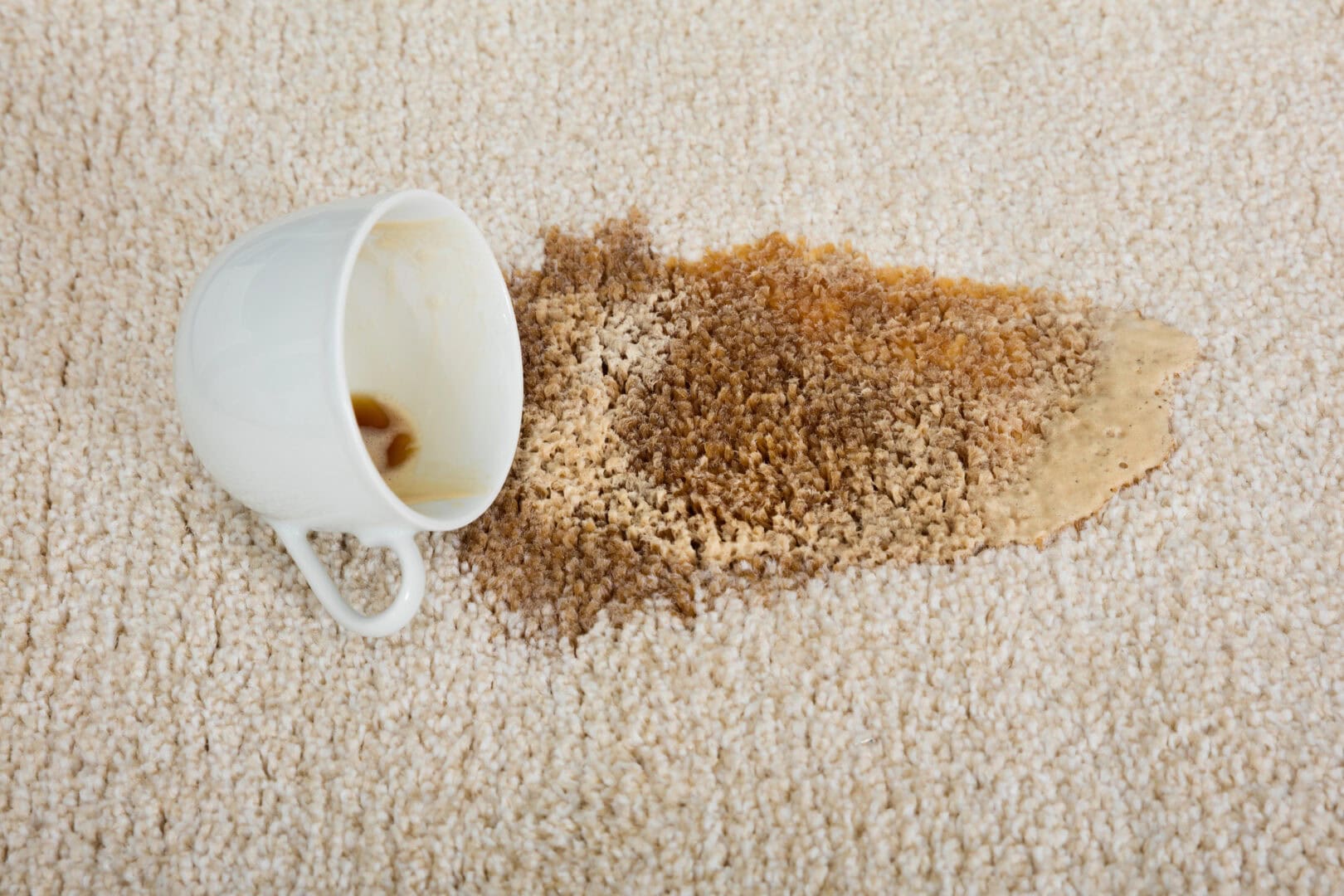
Our carpets put up with a lot. They bear the brunt of daily life, and the odd stain or spill is inevitable, especially if you have pets or children. But don’t despair – most stains will lift cleanly if you use the right method.
To successfully remove a stain from your carpet:
- Act while the stain is fresh (with the exception of mud – let it dry first)
- Blot rather than rub
- Work from the outside in
- Use cold water for most spills, and warm water for greasy stains
- Use a specialist stain remover or home remedy once the excess has been removed
- Rinse well to avoid sticky residue and discolouration
We’ll look at the most common carpet stains below, along with the most effective solutions.
In a hurry? This video shows how Dr. Beckmann’s Carpet Stain Remover tackles a real spill in three minutes with its unique 2-in-1 brush.
How to remove a red wine stain from carpet
When it comes to carpet stains, this is one we all dread, especially on newly laid or light coloured carpet *shudder*. But resist pouring a glass of commiseratory Malbec just yet and deal with the spill immediately.
Red wine has deep pigments and tannins that cling to carpet fibres on contact and set quickly. That’s why fresh red wine stains are far easier to remove than those left to dry overnight.
Despite the urge, don’t scrub; gently blot the stained area. Rubbing and scrubbing drives the colour deeper and frays the pile. Use a clean, light coloured cloth (coloured cloths can bleed dye into the carpet, adding insult to injury). Work from the outside in so you don’t spread the stain further out.
Once you’ve removed the excess, it’s best to use a specially designed cleaning product. If the stain has dried, rehydrate it first by spraying with cool water. If it’s an old stain, it’s likely to need several treatments than just one heavy go.
Dr. Beckmann’s Carpet Stain Remover is ideal for the job. Simply apply, leave it to work for three minutes, then dab and rinse. It’s powerful enough to lift stains from your carpet, but it contains no chlorine bleach, so it’s suitable for use on both synthetic and wool carpets.
If you prefer a homemade solution, a mixture of washing up liquid (1tbsp), distilled white vinegar (1tbsp) and warm water (around 450ml) will often do the trick. But be sure to rinse it thoroughly to avoid sticky residue, and avoid brightly coloured liquids. A sprinkling of salt on a fresh stain can help absorb the wine and stop it from soaking in, but it’s more of a temporary solution.
For red wine stains on clothing and other fabrics, see our red wine stain guide.
How to remove coffee stains from carpet
Like red wine, coffee contains tannin that grips fast to carpet fibres and creates an unsightly brown halo as it dries. Again, work fast, blot the excess with a clean cloth or kitchen paper from the outside and use cold water only.
If you’ve spilt your latte, you will also need to deal with the fat content. For a combination stain like this, the order matters – protein, dairy, then grease.
- Blot with cold water first to deal with the protein and dairy before they have a chance to set.
- Squirt a drop of washing-up liquid into warm water and dab it on to remove greasy residue.
- Treat the remaining mark with an oxi-based carpet cleaner.
For a home remedy, a splash of distilled white vinegar in cool water can help lighten a tannin mark. Dilute it well and always patch test first.
How to deal with greasy stains on the carpet
Greasy food stains like cooking oil and butter behave very differently to a drink spill, so it’s important to use a product designed to break fats down after you’ve blotted up the excess.
The same goes for make-up and other oil-based cosmetics and lotions. Don’t be tempted to go in heavy-handed with a wet cloth as the water will simply bead off the surface and push the stain outwards. After removing the excess with a dry cloth, use warm water with a drop of washing-up liquid to lift the fat molecules.
For a more reliable clean, use a specially designed carpet cleaner with an oxi-powered formula. Stubborn or dried grease stains will usually lift, but may need a second application.
Pet stains and odour removal
If you’re an animal lover, you have to make peace with the rather less cute and cuddly side; urine, the odd bout of sickness and muddy paw prints all come with the territory.
The real challenge is often the lingering smell rather than the visible mark. Urine contains salts that reactivate with moisture, which is why a stain can still insult your nostrils on a humid day, despite looking clean.
Use a specialist carpet cleaner such as Dr Beckmann’s Pet Stain & Odour Remover – a must-have cleaning cupboard staple if you have dogs or cats. Its oxi-powered formula tackles the stain, while added neutralisers target odour molecules rather than just masking them. It’s chlorine-free, so completely safe to use around pets.
If you can still detect a smell after a couple of uses, the stain may have seeped into the underlay, in which case it may be time to call a professional cleaner.
How to remove food stains from carpet
Food stains are not all the same. Tomato and curry contain strong pigment, oil and turmeric (which is why it can look almost luminous); berries are pure dye; chocolate and ice cream contain fats and dairy. That’s why the method matters.
Whatever the culprit, start by scooping up any solids with a spoon, then gently blot the excess with a light-coloured cloth, working from the outside in.
For colour-heavy stains like ketchup and berries, use cool water and an oxi-based carpet cleaner, which breaks colour down. Curry is the diva here: the turmeric can leave a yellow stain that might take a couple of treatments to fade.
For greasy foods like oily dressings, tackle the fat first. A drop of washing-up liquid in lukewarm water will cut through the grease before you clean the mark properly with a specialist carpet cleaning product. But go easy – too much leaves a soapy residue that will attract fresh dirt.
For protein and dairy stains like ice cream and milk, use cold water only, as heat will cook the proteins and set the stain for good.
Curries and sauces often leave a whiff behind, even when the mark itself has gone. That’s where Dr. Beckmann’s Carpet Stain Remover Violet Blossom is ideal: the same oxi-powered, three-minute formula, but with added odour removal and a fresh violet scent to chase off any lingering smell.
How to clean mud and dirt from carpet
Mud is the exception to the ‘act-fast’ rule. Wet mud is your enemy: the more you dab it, the wider it spreads and the deeper it works its way into the pile. So let it dry out completely first.
Once it’s crumbly and dry, vacuum up the loose bits. For any brown marks that remain, use a specialist carpet stain remover. Our Carpet Stain Remover has a unique brush to get deep into the fibres without scrubbing.
Home remedy fans often recommend bicarb of soda. It does a good job of absorbing moisture and loosening dried-on dirt. But it will struggle to remove discolouration, which is where a specialist carpet cleaner will help.
How to lift ink, pen and marker stains
Inks vary a lot. Ballpoint is oily and solvent-based; felt-tip is water-based; and permanent marker, well, does exactly what it says and is unlikely to lift. Whatever type, they are best treated when they are fresh rather than dried, so blot straight away with a clean cloth. Be careful not to wipe it, as a small dot can soon turn into a spreading halo. Work inwards and swap to a clean section of cloth as you go so you’re not just working the colour back in.
Hairspray and surgical spirit both dissolve ballpoint ink, but they can strip carpet dye so patch test first. Some swear by full-fat milk on ballpoint pen stains, but it ideally needs to be left overnight for the proteins to loosen the pigments, and it can leave a sour smell.
If you want to avoid harsh chemicals, Dr. Beckmann’s Carpet Cleaner is free of chlorine bleach and safe to use on both wool and synthetic carpets.
How to remove paint stains from carpet
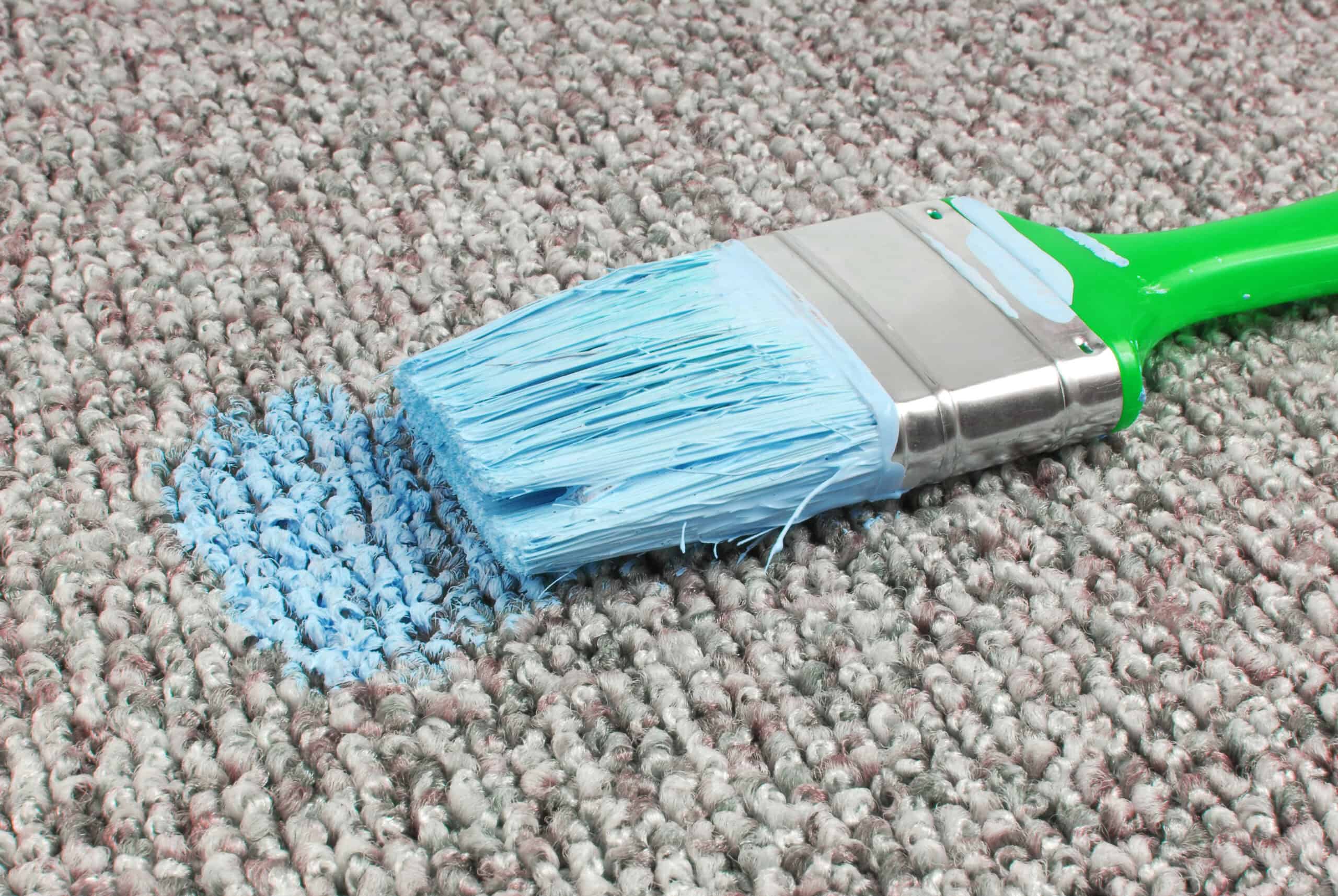
If you’re dealing with a water-based emulsion, blot it up quickly while it’s still wet, then rinse with cool water, changing your cloth as necessary. After that, a few drops of washing up liquid and lukewarm water should tackle the stain well, or use a specialist carpet cleaner for best results.
Oil-based gloss, or any hard, dried paint, is far tougher to remove, and is usually best left to the professionals. Depending on the size of the spill, you could try turps or white spirit, but be sure to patch test it on an inconspicuous spot first to see the effect on the carpet dye.
How to get nail polish out of carpet
Nail polish hardens quickly, so the sooner you catch it, the better your chances. While your instinct may be to drown it in nail polish remover, do test a patch of carpet first to ensure it doesn’t discolour or damage fibres. Non-acetone remover is preferable and less likely to bleach the carpet, though it may take a few goes. Dab a small amount onto a cloth and gently lift it from the outside in.
Hard nail polish will need gentle coaxing first: a blunt knife is great for this. Chip it gently, then press a cloth, cotton wool or white paper towel dampened with a little nail polish remover onto the mark and leave it for 30 seconds or so for the solvent to soften the polish. Blot, re-dampen and repeat in short goes to protect the carpet pile and backing. Use warm (not hot) water on the cloth between rounds.
How to remove chewing gum from carpet
For gum, think cold. A bag of ice cubes or an ice pack placed on top of the gum makes it hard and brittle after about 10 minutes, and it should then lift cleanly from the fibres. Once the bulk of it has gone, dab away any sticky residue with warm water and a drop of washing-up liquid.
Frequently asked questions about carpet stains
Can all carpet stains be removed?
Most carpet stains can be lifted successfully, but it all depends on the type of stain. With the exception of mud, speed is everything. Follow the steps detailed above as soon as you can to avoid it setting for good.
However, there are some stubborn stains that prove impossible to remove. Old, dried-in stains are often a lost cause, and substances like permanent marker and hair dye are almost impossible to remove completely. Also, bleach marks can’t be removed, as the colour has been stripped out.
If you’re at your wits’ end with a stain, it may be time to call in a professional cleaner for advice.
What’s the best carpet stain remover?
It depends on the stain, but Dr. Beckmann’s Carpet Stain Remover is hard to beat. This all-rounder removes a wide range of everyday stains, such as wine, coffee, mud, food, and ink, and is ideal for high-traffic areas as well as for spot cleaning. Once applied with the 2-in-1 cleaning brush, it works in just three minutes, removing stains and stubborn odours. It’s free of harsh chemicals and suitable for all carpet types. Always follow the instructions and patch test first.
Should I use hot or cold water on carpet stains?
For fresh spills, start with a dry cloth to gently dab away the excess before using any water. After that, cold water is the safe default to avoid setting stains into the fibres. Warm water works better on greasy or sugary substances, but never use hot water – it will cook the stain straight in and may damage fibres.
Is it better to blot or scrub a carpet stain?
Blot, blot, blot – 100%. Always think ‘gently does it’ to avoid spreading the stain outwards and driving it deeper into the pile.
How do I remove dried and stubborn stains from carpet?
Old, tough stains rarely surrender on the first go. First, rehydrate the area with cool water, then work through a few patient treatments rather than one heavy soaking. A dedicated stain remover gives you the best shot at anything that’s had time to settle in.
How can I remove pet odours as well as stains?
Some carpet cleaners will remove the stain, but not the smell. Our Pet Stain & Odour Remover is designed to do both in one easy treatment.
Can white wine remove red wine stains from carpets?
It’s a widely known hack, but does it really work? The answer is: not really. While white wine can help dilute and loosen red wine pigments, it won’t get the stain out completely. It can also add to the problem, as you’re using fire to fight fire – more alcohol and more sugar that will attract more dirt if not rinsed properly. It’s best to stick to a specialist carpet cleaner, which will lift the stain more reliably without leaving residue. If you’re caught short, try a mixture of white vinegar and cold water.