
What is the best temperature to wash clothes?
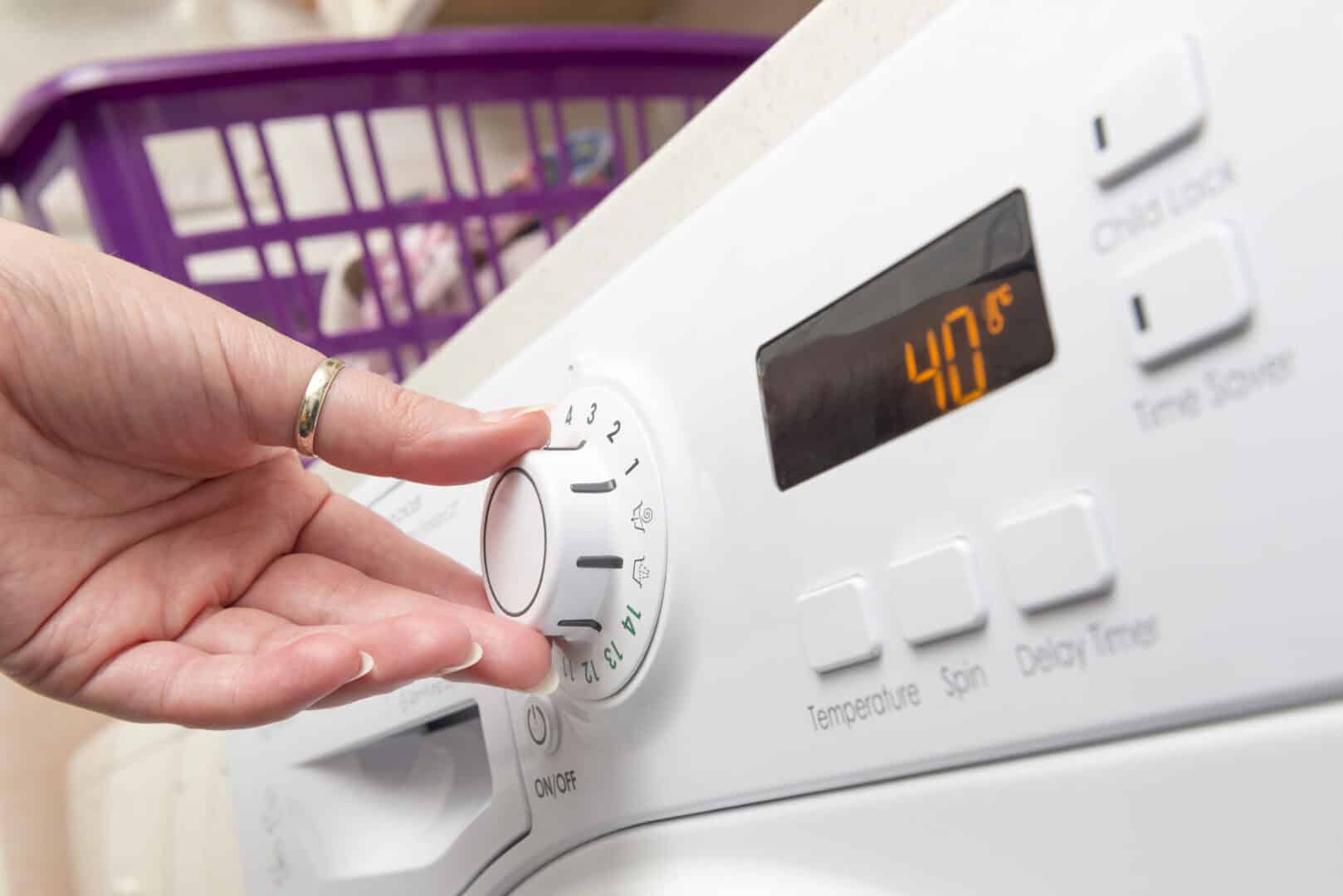
For years, 40°C was the default for most laundry. Now many of us are torn between washing cooler to save energy and hotter for hygiene purposes (especially since COVID). So what’s best? It depends on the fabric, the colour, how soiled the clothes are and whether you have a specific hygiene concern, such as illness in the house.
| Washing machine temperature guide | |
| Cold wash | 20°C: lightly soiled clothes that mainly need freshening up. |
| 30°C: a good default for most everyday, lightly soiled clothing and delicates | |
| Warm wash | 40°C: more robust fabrics, heavier soiling, underwear, towels, bedding and items in close contact with the body. |
| Hot wash | 60°C: best reserved for contaminated items, such as when someone is ill. |
| 90°C: heavily contaminated items only, and only where the care label specifies it. Unnecessary for everyday laundry. | |
The most important rule is not to exceed the temperature on the care label unless hygiene genuinely requires it.
Read on for more advice about when to use each setting.
Why the right washing temperature matters
We all want fresh, clean clothes, and to keep our favourite items looking good. These days, we’re also concerned with keeping energy costs down and lowering our carbon footprint. Getting the washing machine temperature right each time is the best way to achieve all these things.
Balancing hygiene with fabric care – and energy saving
To help keep clothes clean without damage, it’s best to expose them to as little heat as possible. So always use the lowest possible temperature setting for the job.
Washing on 30°C is suitable for everyday laundry to keep clothes fresh, clean and looking their best. And it can save as much as 38% on electricity when compared to an equivalent 40°C load, according to a recent Which? study.
On the occasions when a hotter wash is appropriate, such as for heavily soiled bath towels and baby clothes, check the care label first to ensure the fabric can tolerate it.
When should you wash clothes at 60°C?
So when is it necessary to turn the dial to 60°C? Simply when there is a genuine hygiene concern and not just because something has been worn or is a bit sweaty – yep, even sportswear can be cleaned at 30° or 40°. And always avoid hot washes for recently stained items, as the heat will help set them for good.
You should put a hot wash on if:
- a member of the family becomes ill with something contagious
- if clothes or bed linen have been in contact with bodily fluids other than sweat
- to wash baby clothes if they are soiled with poo or vomit
- you are a healthcare worker (always follow your employer’s laundering policy – NHS England advises washing uniforms at the hottest temperature suitable for the fabric and states that 10 minutes at 60°C removes almost all microorganisms)
Some people swear by washing towels and bed sheets at 60°, but it’s not necessary unless they are contaminated. Instead, use a proper full cycle and a good detergent at 40°. If you must wash at 60°, stick to robust cottons, linens and white items if you can, as the heat will cause your colours to fade.
How a 60°C wash helps reduce bacteria and germs
Heat above 60°C damages and inactivates bacteria and viruses, but it isn’t the only factor. A quality laundry detergent loosens dirt, oil and germs; the drum’s mechanical action lifts them from the fibres, and the rinse cycle carries them away. All of this matters as much as the temperature itself for getting your clothes clean.

ALWAYS check garment care labels first
Most care labels indicate the recommended temperature setting as a number, but treat it as a maximum rather than a target. If clothes simply need refreshing, you can go lower.
It’s also essential to check the spin guidance, since over-agitation in the drum can cause damage, especially to delicate fabrics.
When should you wash clothes at 30°C or 40°C?
For most everyday loads, 30°C to 40°C is all you need. For bright colours, 30° will help them stay vivid for longer.
For most loads, 30°C to 40°C is all you need. Everyday clothing, coloured garments and lightly soiled items all do well at 30°C, which also helps colours stay vivid for longer. Delicate fabrics can usually be washed cool as well, though it’s worth checking the label for both temperature and spin. Step up to 40°C when things are greasier or more heavily worn.
When is it suitable to wash clothes at 20°C?
A 20°C wash is appropriate for very lightly soiled clothes that need freshening up rather than a good clean. Think t-shirts, tops and jeans that have only been worn once or twice. It’s important to use a detergent designed to work at lower temperatures, such as Dr. Beckmann Laundry Detergent Sheets.
How modern detergents perform at lower temperatures
Modern biological detergents use enzymes, tiny proteins that target dirt and grease and break them into smaller, more soluble fragments, even in cold temperatures. At the same time, surfactants reduce the surface tension of the water and help lift oily dirt from fibres so they can be carried off in the rinse cycle.
It’s thanks in part to this modern science and washing machine technology that we can rely less on heat to clean our clothes.
Does washing at higher temperatures kill more bacteria?
The misconception is that hotter = cleaner.
However, your clothes will be clean and fresh after a cool wash most of the time, providing you use the right programme and the right dose of a good detergent.
Instead, remember that hotter = essential hygiene. A hot wash of 60°C is only necessary to kill harmful bacteria and viruses.
How often should you wash clothes?
Most clothing can go several wears between washes unless they are heavily soiled or recently stained. So instead of throwing everything in the laundry basket, consider airing items likes tops, t-shirts and jeans instead. Hang them somewhere with good airflow on a hanger or clothes airer for a few hours.
Towels and bedding usually need washing weekly and underwear after every wear.
Try not to leave dirty laundry in a pile for long, especially if it’s damp, as it will start to smell musty.
Should you use quick wash cycles?
Quick washes (60 minutes or less) are fine for small loads that are lightly soiled, or clothes that just need refreshing.
For dirtier clothes, a longer, fuller cycle (1.5 hours+) is better, as it gives the detergent and the machine more time to do their job.
If you are short on time, use a detergent that’s designed to clean on a shorter wash, such as Dr. Beckmann Quick Wash Bio.
Why washing machine hygiene matters
Ever take a wash out of the machine to find it smells musty? That means it’s time to clean your washing machine. Regular cleans are essential for performance and to prolong the life of your machine, as well as keeping your clothes clean and fresh smelling.
This is especially important now that cooler washes are becoming the norm, as they leave more residue behind, creating the perfect breeding ground for bacteria.
How to keep your washing machine clean
Clean your machine every one to two months (or every 30 washes or so) to remove residue, bacteria and odours. Dr. Beckmann Service-it Deep Clean Washing Machine Cleaner removes 99.99% of bacteria and effortlessly lifts dirt and detergent build-up from the parts of your machine you can’t reach.
Follow this up by wiping the seal and cleaning the detergent drawer in soapy water. Also, leave the door open after each wash to let the machine dry out properly.
Read more here – How do I know if my washing machine needs cleaning?
Frequently asked questions about washing temperatures
Is 30°C enough to wash clothes?
A 30°C wash is suitable for most everyday, lightly soiled laundry, provided you choose the right cycle and a good detergent. Not only is it kinder to your fabrics, but it will also save energy and help lower your bills.
Is 40°C better than 30°C?
40°C is only better than 30°C when clothes are more heavily soiled, and for items that come into closer contact with the skin, like underwear, bed linen and bath towels. Used with a good biological detergent, washing at 40°C can kill most bacteria.
When should I wash clothes at 60°C?
The only time to wash clothes at 60°C is when there is a legitimate hygiene need, such as an illness in the house or for soiled baby clothes. The hotter temperature will help fight bacteria, along with the detergent. Always check the care label first to ensure the fabric type is suitable.
Can washing at high temperatures damage clothes?
Washing at high temperatures, or even sometimes 40°, can cause some fabrics to shrink, fade or lose their shape. Wool is particularly prone to shrinking, so always use a special wool wash setting and detergent. Over time, they can also fade bright colours, so it’s best to stick to 30° wherever you can to prolong the life of your clothes. To protect your colours further, use a specially designed detergent such as Dr. Beckmann Laundry Detergent Sheets COLOUR PROTECT.
Always check the care label and detergent instructions.